



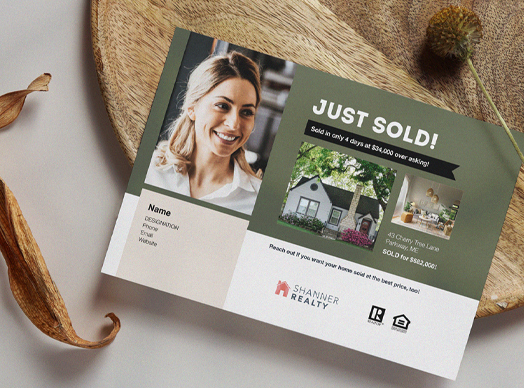
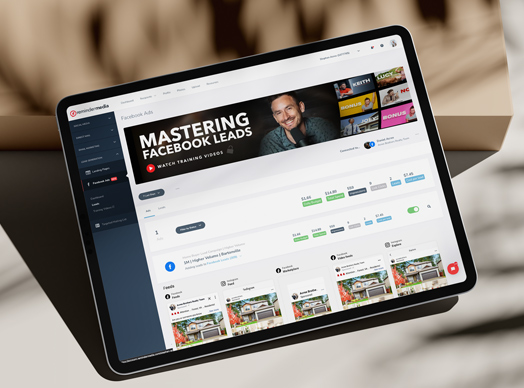
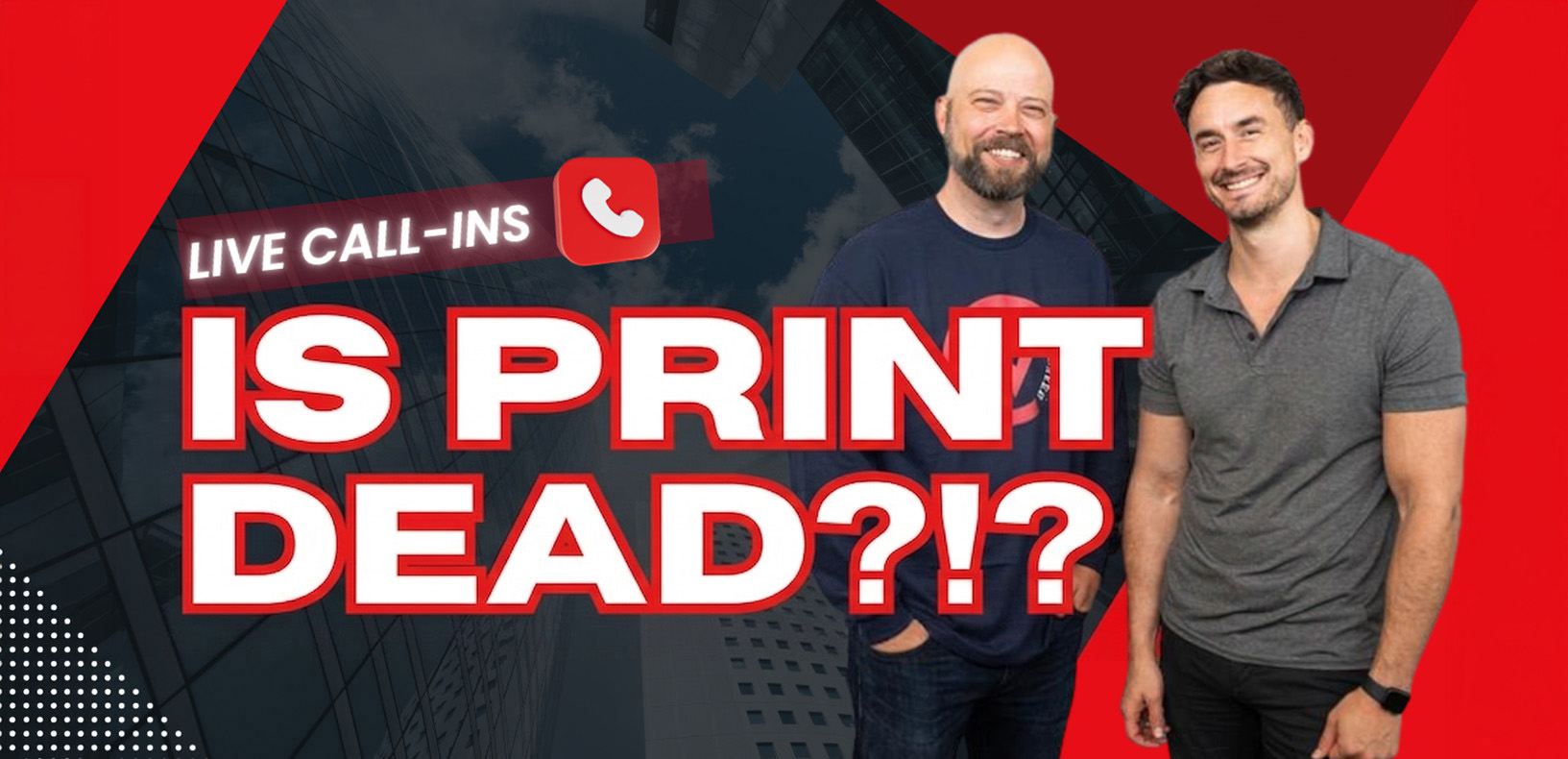
What if the best marketing move you could make right now isn’t a new social media strategy or a fresh batch of Facebook ads—but a magazine in someone’s mailbox? In this live call-in episode of Stay Paid, Luke Acree and Josh Stike are joined by Stephen Acree and Cody Smith from the Acree Brothers Realty Team to field questions from real listeners. The result is a candid, practical conversation that covers the staying power of print marketing, how to recruit and retain a sales team, and how to actually know whether your marketing dollars are working.
Here’s a breakdown of the biggest takeaways from each call.
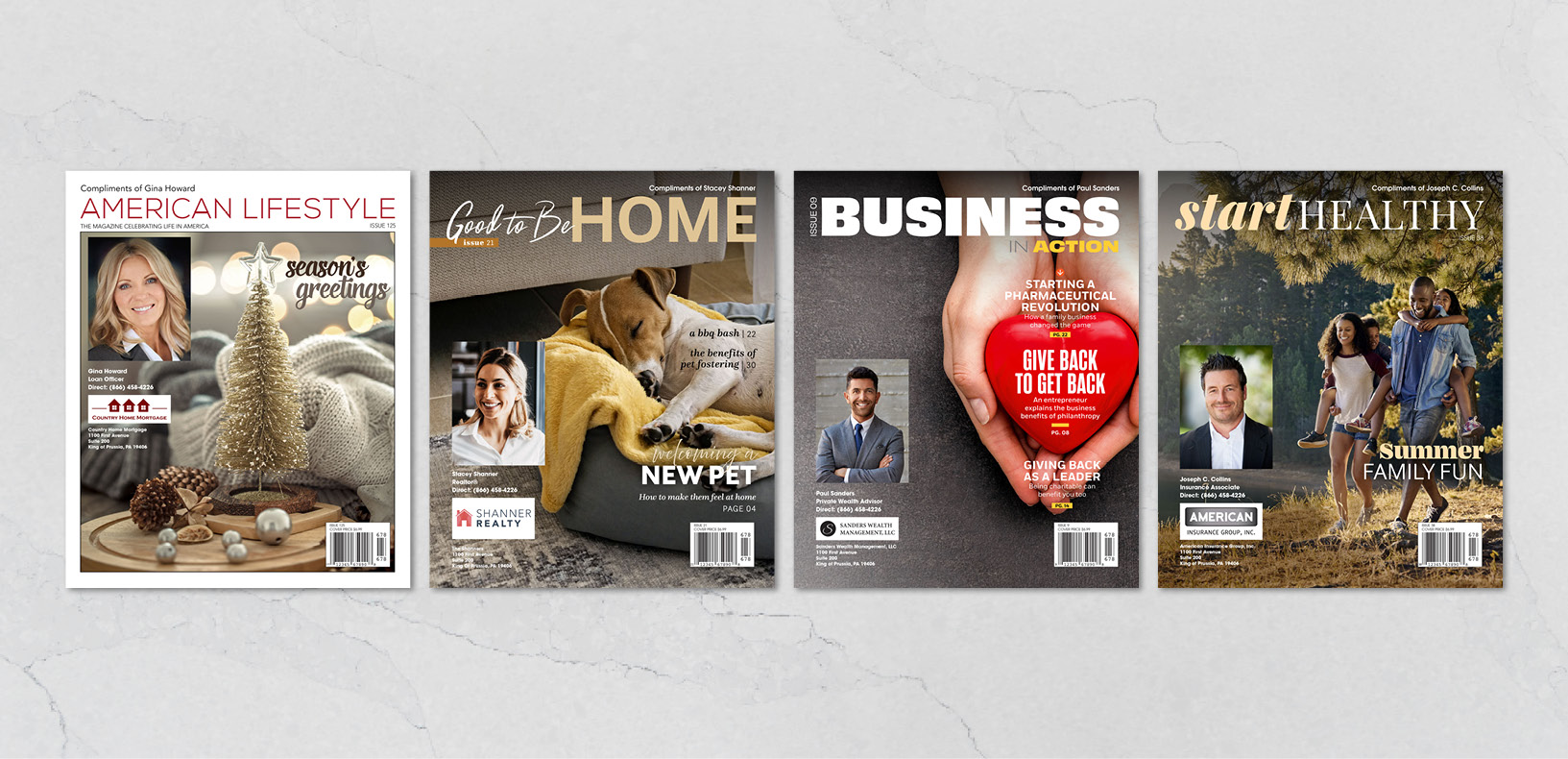
Print Is Not Dead—You’re Just Doing It Wrong
The first caller, Dave—a business consultant from Ohio with decades in the printing industry—asked a question a lot of people are thinking: Is print really sticking around in a world dominated by digital?
Luke didn’t hesitate. His answer? Print isn’t dead. Junk is dead.
The difference matters. In a world where consumers are hit with an estimated 4,000 ads a day, getting seen is the whole game. And Luke made a compelling case that the mailbox is one of the last places where open rates are still close to 100%. People still check their mail. The question is just whether what’s inside is worth keeping.
He pointed to a study from the U.S. Postal Service and Temple University comparing digital and print advertising. The findings? Print won on two fronts that really matter—emotional connection and ad recall. When people were shown print ads and digital ads, then asked 48 hours later what they remembered, print came out ahead every time. And it makes psychological sense: print engages more senses. You touch it. You feel it. That physical experience creates a stronger imprint.
Josh added a counterintuitive stat worth noting: millennials actually resonate with print more than older generations do. Why? Because for a generation that grew up swimming in digital content, a physical piece of mail cuts through the noise in a way a social media ad simply can’t.
Stephen from the Acree Brothers Realty Team backed this up with a real story: they sent a postcard to someone in a neighborhood, then had a team member follow up with a phone call. The recipient remembered the postcard—and that warm connection helped them land a listing. The medium wasn’t magic. The playbook behind it was.
Luke’s bottom line: who you send to matters just as much as what you send. For relationship marketing like custom magazines, focus on your A-list—your sphere, key contacts, top referral sources. For postcards, go targeted: home price range, years in the home, equity position, life events like divorce or relocation. A bad list can sink a great piece. The right list amplifies everything.
Takeaway: Don’t abandon print because everyone else went digital. That’s exactly why it works now. Quality content, targeted lists, and a solid follow-up playbook—that’s the formula.

How to Build a Sales Team When the Volume Feels Impossible
The next caller was Denise, a financial advisor from Maryland building her own brokerage. She’d had 30 licensed agents at her peak. Now she was down to 13, and her goal was to grow to 50. She knew what she wanted—she just wasn’t sure how to get there.
Luke asked one of the most clarifying questions of the episode: “Where are the recruits that you believe should join your team?”
That question is deceptively simple—and most business owners skip right past it. They default to posting on social media or asking their existing network, which has a ceiling. Luke’s framework for Denise was more structured:
- Step 1 – Identify your ideal recruit. Who is already in sales and would naturally transition into financial services? Car salespeople. Door-to-door sales reps. Real estate agents. Lenders. These people understand rejection, they’re motivated by income, and they’re looking for a better path.
- Step 2 – Build a targeted list. Use LinkedIn to find local salespeople in those industries. Build a database of recruits the same way you’d build a list of prospects.
- Step 3 – Craft your message. What does your opportunity offer? Freedom. Income potential. Career trajectory. Use ChatGPT or Gemini to help build messaging around these pillars.
- Step 4 – Distribute. LinkedIn outreach, email drips, social content, and hosting local seminars or masterminds where you lead with value and introduce your career opportunity.
Luke was also honest about the math. Expect a 1–5% conversion rate on recruits. That means to land 5 people, you need to get in front of 100. That’s not a discouraging number—it’s just the number. And Cody added an important reality check: don’t judge your efforts after two months. Commit to at least six months of consistent activity before drawing conclusions.
Stephen also surfaced an important insight from Denise’s story: the agents who stayed were the ones licensed in both insurance and financial services. That dual-licensing is a retention differentiator—and a powerful recruiting hook. “I have a better opportunity for you to do both” is a compelling pitch to financial professionals who only have one license.
Takeaway: People dramatically underestimate how much activity recruiting takes. There’s no shortcut—just a clear audience, a compelling message, consistent outreach, and patience. The best teams were built by people who did more of the right things for longer than everyone else.

How Do You Know If Your Marketing Is Actually Working?
The third caller, Laura, is an insurance professional who moved from California to a small town in East Tennessee. She’s been a ReminderMedia client and is actively using the digital magazine—but she had a question that a lot of business owners quietly wonder about: How do I know if this marketing is actually working? What am I measuring against?
Luke broke it down with a distinction that’s worth writing down: direct response marketing vs. brand-building marketing.
Direct response is trackable. You run a Facebook ad. Someone clicks. They fill out a form. You count the leads. You know exactly what worked and what didn’t, often within a couple of weeks.
Brand building works differently. Think of why McDonald’s runs TV commercials. They’re not expecting you to buy a burger the second you see the ad. They’re building memory, familiarity, and trust over time. Your digital magazine, your postcard campaigns, even this podcast—these are brand-building investments. The ROI shows up in your organic lead flow.
So how do you measure brand building? Luke’s answer: track your organic lead flow. Count how many referrals, repeat clients, and inbound inquiries you’re getting each year. Is that number going up? Then your brand marketing is working. Is it flat or falling? Time to adjust.
From there, you can build a real business metric: your cost of acquisition. Add up everything you spend on brand-building marketing annually. Divide by the number of clients you gained. That’s your cost per client. Then look at your lifetime client value—how much does a client make you over 12 or 24 months? If you’re spending a dollar and making four, you’re in good shape. That 4:1 ratio is the benchmark worth chasing.
Cody offered a tactical add-on that’s immediately actionable: use email open rates as a prioritization tool. If you have a list of 1,500 nurses in California, you don’t need to call all 1,500 tomorrow. Start with the ones who opened your last email. Those are your warmest contacts—the people most likely to be receptive.
Laura’s open rate was sitting at 13–14%, which Luke noted is within a normal range for a broader list. For a more targeted list of your close sphere, you’d want to see 30–40%. If you’re below that with people who know you well, it’s worth cleaning the list and re-engaging the inactive contacts directly.
Luke ended with a line that stuck: “If you want to get rich, you can do it with direct response. If you want to get wealthy, you must build a brand.”
Takeaway: Stop measuring your brand-building marketing like it’s a direct response campaign. Track your organic lead flow, calculate your cost of acquisition, know your lifetime client value, and let the math tell you whether to keep going or change course. You’re measuring against your own numbers—not some guru’s benchmarks.

The Real Through-Line: Consistency Beats Everything
Across all three calls, one theme surfaced again and again: consistency. Print works when you send quality content to the right people—consistently. Recruiting works when you do high-volume outreach for six months or more—consistently. Brand building works when you show up in people’s lives week after week—consistently.
There’s no magic formula. There’s just doing the right things long enough to let them work.
If you want your question answered on a future episode, head to remindermedia.com/ask and submit it there. And if this episode gave you something to think about, subscribe and leave a review wherever you listen to podcasts.
Stay Paid is hosted by Luke Acree, President of ReminderMedia, and Josh Stike, Chief Marketing Officer of ReminderMedia.